Understanding the Home Health Store Landscape
The home health store industry plays a pivotal role in providing essential products and services that support individuals in their journey toward maintaining health and independence at home. As the healthcare landscape evolves, so too does the perception and utility of home health stores, which are no longer just retail outlets but key players in the broader healthcare ecosystem. When exploring options, home health store offerings can significantly enhance well-being and quality of life for customers.
What is a Home Health Store?
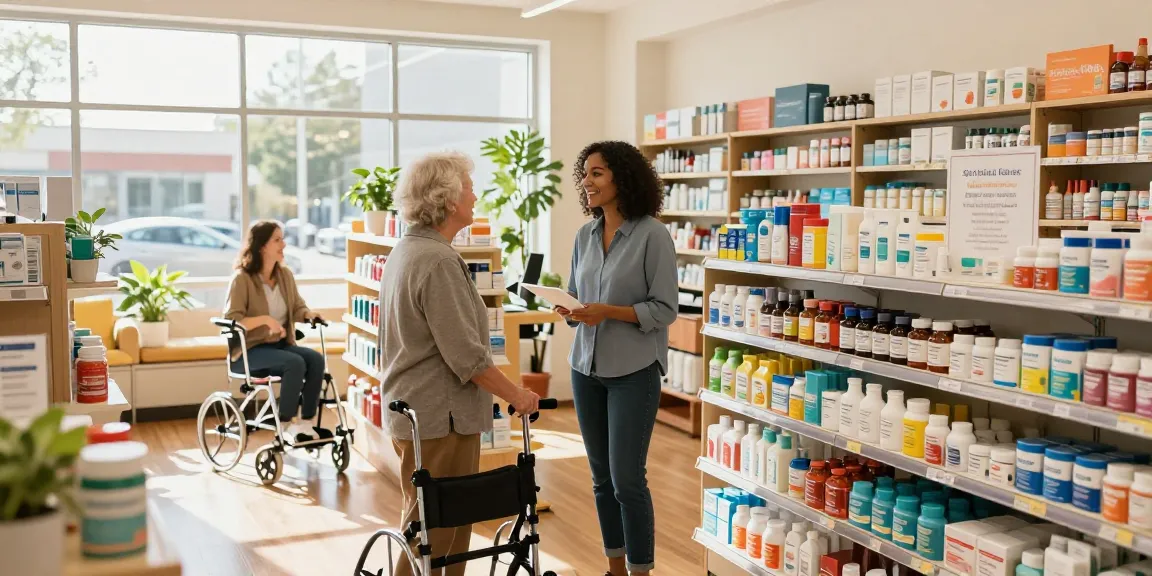
A home health store is a retail establishment that specializes in products and services catering to individuals with medical needs, disabilities, or those requiring assistance with daily living activities. These stores typically offer a wide range of items, including mobility aids like wheelchairs and walkers, rehabilitation equipment, home monitoring devices, and various health supplies. Unlike traditional pharmacies, home health stores focus primarily on enhancing the quality of life and independence for patients and caregivers alike.
The Growing Importance of Home Health Care
With an aging population and a shift toward outpatient care, the importance of home health care has skyrocketed. Patients increasingly prefer to receive care in the comfort of their homes, prompting a surge in demand for home health products and services. Moreover, chronic conditions like diabetes, arthritis, and heart disease require ongoing management, which can often be effectively addressed with the right home health solutions. As such, home health stores are essential in bridging the gap between hospital care and self-managed health solutions.
Key Products and Services Offered
Home health stores provide a plethora of products designed to meet diverse needs. Key offerings typically include:
- Mobility aids: wheelchairs, scooters, and crutches
- Daily living aids: grab bars, shower chairs, and dressing aids
- Rehabilitation equipment: resistance bands, exercise balls, and therapy devices
- Health monitoring devices: blood pressure monitors, glucose meters, and pulse oximeters
- Incontinence products: pads, briefs, and protective undergarments
- Home safety products: smoke detectors, fall detection systems, and emergency response systems
Challenges Facing Home Health Stores Today
Despite the growing demand, home health stores face several challenges in navigating a complex landscape filled with misconceptions, regulatory issues, and evolving customer expectations.
Common Misconceptions About Home Health Products
A significant challenge home health stores encounter is the widespread misinformation surrounding their products. Many consumers perceive home health products as merely expensive gimmicks rather than essential tools for enhancing quality of life. This misconception can hinder sales and customer engagement. Education becomes crucial; home health stores must actively inform customers about the value and effectiveness of their offerings.
Overcoming Regulatory and Compliance Obstacles
Compliance with health regulations and standards is another major hurdle. Home health stores must be well-versed in the laws governing the sale of medical products, as these regulations can vary significantly by region. Failure to comply can result in hefty fines or the loss of licenses, which can severely impact business operations. Staying updated with changes in healthcare regulations and maintaining rigorous quality control processes is essential for success.
Addressing Customer Needs and Pain Points
Understanding customer needs is paramount in delivering effective solutions. Many individuals seeking assistance may feel overwhelmed by choices, medical terminology, or their specific health requirements. Home health stores should invest in staff training programs to ensure employees can provide knowledgeable advice and support. Creating personalized shopping experiences that consider customers' individual health challenges can foster loyalty and improve satisfaction.
Effective Marketing Strategies for Home Health Stores
To thrive in this competitive market, home health stores must adopt innovative marketing strategies that enhance visibility and connect with potential customers.
Building an Online Presence and Brand Identity
Having a strong online presence is vital for reaching a broader audience. Home health stores should create user-friendly websites that provide detailed information about their products, services, and customer testimonials. Additionally, a cohesive brand identity plays a significant role in establishing trust with consumers. This can include professional branding, consistent messaging, and engaging visual content that resonates with the target audience.
Utilizing Social Media to Engage Customers
Social media platforms offer excellent opportunities for home health stores to engage with customers directly. Utilizing platforms like Facebook, Instagram, and Twitter enables stores to share educational content, product demonstrations, and customer success stories. Social media is not just a promotional tool; it serves as a community-building platform where customers can interact, ask questions, and feel connected to the brand.
Creating Educational Content to Support Customer Decision-Making
Educational content can significantly influence customer purchasing decisions. Home health stores should consider developing blogs, videos, and FAQs that address common health concerns and product usage. Providing valuable insights into how products can solve real-life challenges cultivates trust and positions the store as an authority in the field.
Enhancing Customer Experience in Home Health Stores
Creating a positive customer experience is crucial for retaining customers and encouraging referrals. Home health stores need to prioritize customer satisfaction through thoughtful service and store design.
Personalized Customer Service Techniques
Personalized customer service can set a home health store apart. Training staff to recognize and respond to individual customer needs can enhance the shopping experience. This includes offering tailored product recommendations and providing follow-up support to ensure customers are satisfied with their purchases.
In-Store Layout and Product Placement Best Practices
The store layout and product placement should facilitate easy navigation and accessibility. Products should be arranged logically, with high-demand items placed at eye level. Signage should be clear and informative, helping customers find what they need without feeling confused or frustrated.
Implementing Feedback Mechanisms for Continuous Improvement
Implementing feedback mechanisms, such as surveys or suggestion boxes, allows home health stores to gather customer insights and address any concerns promptly. Feedback is invaluable in driving continuous improvement and adapting to changing customer expectations. By actively involving customers in shaping their shopping experience, stores can foster loyalty and demonstrate their commitment to service excellence.
Future Trends in Home Health Stores (2026 and Beyond)
As we move toward 2026, several trends are poised to shape the home health store industry, from the adoption of new technologies to evolving consumer preferences.
Emerging Technologies Impacting the Industry
Technological advancements are revolutionizing how home health stores operate and serve customers. Innovations such as telemedicine, smart home devices, and wearable health technology are becoming increasingly integrated into home health solutions. Stores that leverage these technologies can offer enhanced products and services, creating a competitive edge.
Predictions for Customer Preferences and Behaviors
By 2026, customer preferences are likely to shift towards more personalized and holistic health solutions. Consumers will seek products that not only meet their medical needs but also contribute to their overall well-being. Home health stores should be prepared to adapt their offerings to align with these changing demands, including lifestyle products that promote wellness and prevention.
The Role of Sustainability in Home Health Products
Sustainability is becoming a significant concern across all industries, and the home health sector is no exception. Consumers are increasingly looking for eco-friendly and sustainable products. Home health stores that prioritize sustainability in their product lines and business practices will appeal to environmentally conscious shoppers, helping to define their brand identity and attract a loyal customer base.
What products are essential in a home health store?
Essential products in a home health store vary from mobility aids like wheelchairs to daily living aids such as shower chairs. Each product serves a unique purpose, ensuring that customers can find the right solutions for their specific needs.
How can home health stores improve customer engagement?
Home health stores can improve customer engagement by offering personalized service, utilizing social media for communication, and creating educational content that addresses common concerns and questions.
What are the key trends influencing home health care in 2026?
Key trends expected to influence home health care include the adoption of emerging technologies, a focus on personalized customer experiences, and greater emphasis on sustainability in product offerings.
How to ensure compliance in selling health products?
Ensuring compliance involves staying informed about regulatory requirements, conducting regular staff training on product knowledge, and implementing rigorous quality control measures.
What distinguishes a successful home health store from competitors?
A successful home health store differentiates itself through exceptional customer service, a well-curated product selection, a strong online presence, and a commitment to community engagement and education.