Understanding Ductless AC Systems
Ductless air conditioning, commonly known as ductless AC or mini-split systems, has revolutionized the way homeowners approach cooling and heating their spaces. Unlike traditional air conditioning systems that require extensive ductwork, ductless AC units offer versatile installation options and customizable comfort. Whether you’re looking to retrofit an older home, add climate control to a new addition, or simply enhance the efficiency of your existing systems, ductless AC provides numerous advantages. In this article, we will delve deep into what ductless AC is, how it operates, and the myriad benefits it presents to homeowners.
When exploring options, ductless ac offers comprehensive insights into modern cooling solutions that are both efficient and aesthetically pleasing.
What Is a Ductless AC?
A ductless AC system consists of an indoor unit and an outdoor compressor, connected by refrigerant lines. This innovative technology allows it to provide heating and cooling without the need for traditional ductwork. The indoor units are available in various styles, including wall-mounted, ceiling-mounted, and floor-mounted options, catering to different preferences and room layouts. The compact design makes these systems ideal for various applications, from residential homes to commercial spaces.
How Ductless AC Works
Ductless AC operates by transferring heat between the indoor and outdoor units. During summer, the indoor unit absorbs heat from the room and transfers it outside, cooling the indoor air. Conversely, during winter, the system can reverse the process, extracting heat from the outside air and bringing it indoors, thus providing efficient heating. This double functionality, combined with variable-speed compressors, allows for precise temperature control, ensuring comfortable conditions year-round.
Benefits of Ductless AC for Homeowners
- Energy Efficiency: Ductless systems often have higher SEER (Seasonal Energy Efficiency Ratio) ratings compared to traditional HVAC systems, leading to substantial energy savings.
- Flexible Installation: These systems can be installed in spaces where ductwork is impractical, such as converted attics or rooms added onto older homes.
- Improved Air Quality: Ductless AC units filter the air, reducing allergens and promoting a healthier indoor environment.
- Zone Control: Homeowners can set different temperatures for different rooms, catering to individual preferences and improving overall comfort.
Key Features of Ductless AC Units
Energy Efficiency and Savings
One of the most compelling reasons to consider ductless AC is its energy efficiency. These systems typically use inverter technology to adjust the compressor speed based on the room's temperature, which minimizes energy consumption compared to traditional systems that constantly turn on and off. This means lower electric bills and a smaller carbon footprint.
Noise Levels Compared to Traditional AC
Ductless AC units are known for their whisper-quiet operation. The indoor units are designed to operate at noise levels comparable to a soft whisper, which is a significant advantage over traditional systems that can be quite loud. This quiet operation enhances the comfort of your living spaces, making it an excellent choice for bedrooms, home offices, and other quiet areas.
Design and Aesthetic Considerations
With various designs available, ductless AC units can be aesthetically pleasing and integrate seamlessly with your home’s decor. From sleek wall-mounted designs to discreet ceiling-mounted options, homeowners can choose a style that complements their interior design while ensuring optimal climate control.
Installation Process for Ductless AC
Preparing Your Home for Installation
Preparing for ductless AC installation involves assessing your home’s layout and determining the best locations for the indoor and outdoor units. It is important to consider factors like room size, insulation levels, and placement to ensure optimal efficiency and performance.
Steps Involved in Installation
- Consultation with HVAC Professionals: Discuss your needs and preferences with an HVAC specialist.
- Site Assessment: Technicians will evaluate your home and recommend the most suitable ductless AC system.
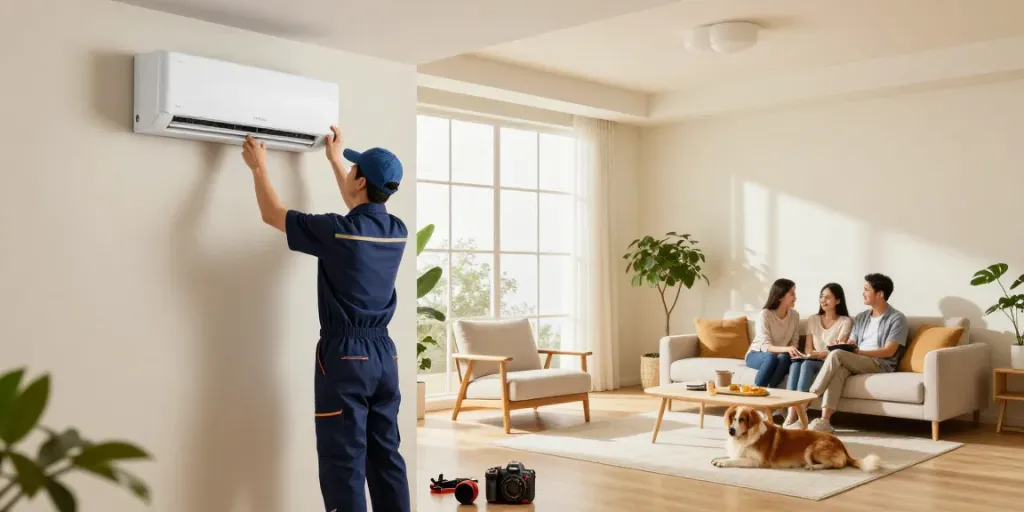
- Installation: The technician will install the indoor units on walls or ceilings, connect them to the outdoor compressor using refrigerant lines, and ensure everything is properly sealed.
- Testing: After installation, the system will be tested to guarantee it operates efficiently.
Hiring Professional vs. DIY
While some homeowners may consider DIY installation to save costs, hiring professionals is often the best choice. Experienced technicians ensure the system is installed correctly and safely, minimizing the risk of errors that could lead to inefficiencies or costly repairs later on. Moreover, professional installation may be a requirement for warranty validation for many ductless AC systems.
Common Challenges and Misconceptions
Are Ductless AC Systems Effective for Large Homes?
A common misconception is that ductless systems are only suitable for small spaces. However, many manufacturers offer multi-zone systems that can effectively cool or heat larger homes by utilizing multiple indoor units connected to a single outdoor unit. This flexibility allows homeowners to maintain comfort in various areas of their homes without the need for extensive ductwork.
Maintenance Requirements for Ductless AC
Maintaining a ductless AC system is relatively straightforward, requiring routine cleaning of the filters and periodic checks by a professional. Regular maintenance ensures that the system operates efficiently, prolongs its lifespan, and minimizes the risk of major repairs. Homeowners should also keep the outdoor unit clear of debris and foliage to ensure proper airflow.
Common Installation Mistakes to Avoid
Several mistakes can occur during installation that may affect the system's efficiency. Common pitfalls include poor placement of indoor units, inadequate insulation, and improper sizing of the system. To avoid these mistakes, it’s crucial to work with knowledgeable HVAC professionals who can assess individual home needs accurately.
Future Trends in Ductless AC Technology
Emerging Innovations for 2026 and Beyond
The ductless AC industry is continuously evolving, with innovations aimed at enhancing energy efficiency and user convenience. The integration of advanced inverter technologies and smart home connectivity features—like app controls and automation—are trends that are set to shape the future of cooling and heating solutions.
Smart Home Integration Options
Many modern ductless AC systems come equipped with Wi-Fi capabilities, allowing users to control their climate remotely via smartphone apps. This integration not only increases convenience but also enables better energy management, as users can monitor and adjust their heating and cooling preferences from anywhere.
Environmental Impact and Sustainability
As awareness of climate change grows, manufacturers are focusing on creating more environmentally friendly ductless AC systems. This includes improving the energy efficiency of units and utilizing eco-friendly refrigerants that have lower global warming potential, contributing to a more sustainable future.
How Do I Choose the Right Ductless AC?
When selecting a ductless AC system, consider factors such as the size and layout of your space, desired features (like heating capabilities), and energy efficiency ratings. Engaging with HVAC professionals can provide invaluable insights into finding a system that meets your specific needs and budget.
What Are the Costs of Ductless AC Systems?
The cost of ductless AC systems can vary significantly based on factors such as brand, capacity, and installation complexity. Generally, homeowners can expect to pay between $3,000 and $5,000 for a complete system, including installation. While the upfront costs may seem high, the long-term energy savings often justify the investment.
Is Ductless AC Suitable for All Climates?
Ductless AC systems are versatile and can be used in various climates. They perform exceptionally well in both hot and cold environments, providing effective cooling and heating throughout the year. However, it’s essential to choose a model designed for your specific climate conditions to ensure optimal performance.
What Kind of Maintenance Does Ductless AC Require?
Ductless AC systems require minimal maintenance, primarily filter cleaning and periodic professional servicing. Homeowners should clean the filters every few months and schedule annual inspections to keep the system running efficiently and effectively.
Are There Variations in Ductless AC Systems?
Yes, there are various types of ductless AC systems, including single-zone and multi-zone systems. Single-zone systems are ideal for cooling or heating individual rooms, while multi-zone systems can manage the climate in multiple areas, offering enhanced flexibility and control.
What are the Reviews and Ratings for Ductless AC?
Customer reviews and ratings for ductless AC systems tend to be positive, with many users praising their efficiency, quiet operation, and ease of installation. It’s advisable to research and compare models and brands to ensure you choose a reliable system with good customer support and warranty options.